


Groove Armada on the devastating hearing loss caused by dance music: ‘I was slightly in denial’
Groove Armada on the devastating hearing loss caused by dance music: ‘I was slightly in denial’

Lisa SalmonWed, September 2, 2026 at 9:30 AM UTC
0
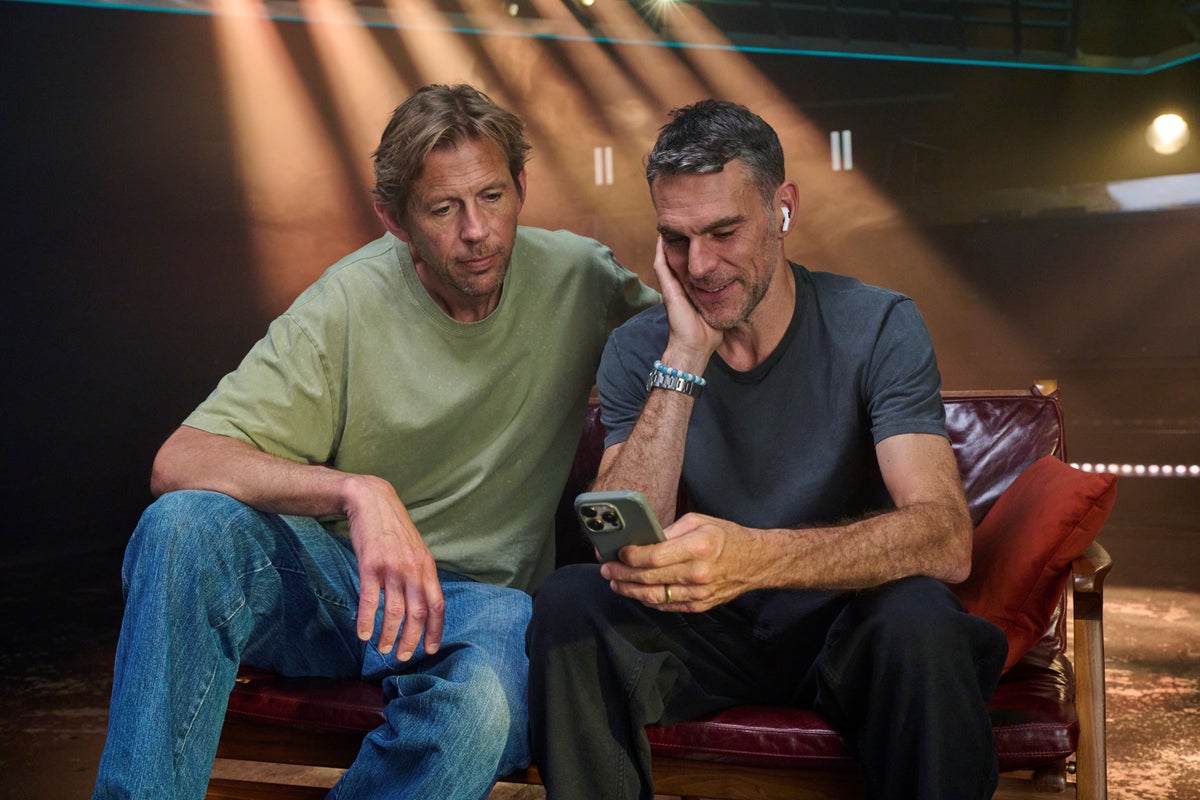
Downtime: Groove Armada’s Tom Findlay (r) and Andy Cato (l) (Stewart Williams/PA)
While achieving success in the music industry brings considerable fortune and fame, the physical price paid by many performers is often their hearing.
That is precisely the cost facing Groove Armada’s Tom Findlay and Andy Cato, the electronic music duo behind major dance anthems including “Superstylin’” and “I See You Baby”.
Although three decades of exposure to extremely high volume has damaged both men’s hearing, they remain active, playing live DJ sets at gigs and festivals across the UK and internationally before thousands of music fans old and new.
The key difference nowadays is that their ears are protected during performances, and while Findlay, 53, currently relies on hearing aids to assist his damaged hearing, Cato, also 53, must cope with the unrelenting ringing in his ears stemming from tinnitus.
Findlay says: "I knew I had chronic hearing loss – I was often having to ask people to repeat stuff, and almost tuning out of conversations, particularly in environments where there was a lot of background noise or reverberation. I was really struggling to pick things up.
"I’ve probably been struggling with problematic hearing loss since my late 30s to early 40s. So I knew it was there, and I was slightly in denial."
However, he finally undertook a hearing test around 18 months ago, wearing hearing aids whenever necessary since that time.
"Wearing hearing aids seems like something people feel a bit of stigma about, and it’d be good to take that out of it because it’s been transformative for me," he admits.
But why does he think there’s so much stigma around wearing hearing aids?
"It’s associated with ageing, and we’re all a bit uncomfortable about that," he observes. "It’s about a sense of frailty – there’s some discomfort about that in a way that’s quite different from the way we feel about glasses.
"Glasses can be a sexy accessory, can’t they? But hearing aids definitely aren’t. We’re all wearing earpods now most of the time, so they just look like that. And while I used to put off social situations where I knew I’d struggle, I don’t do that any more, and that’s great – it gives you a lot more confidence."
Cato’s experience with tinnitus takes a slightly different turn, as he remarks: "I think you have to live with it, so the ideal thing would be to stop it in the first place."
He explains that during DJ performances, he and Findlay are positioned directly between two massive speaker monitor setups, distinct from the main sound system on the venue or festival stage.
In the early days of their career, he recalls: "We’d come out of clubs and it would be funny that we could stand outside the door and not be able to hear each other."
Findlay notes that during those early years, they gave no thought to auditory damage caused by excessive sound. Eventually, however, they started using in-ear monitors before moving on to ear protection.
"Now, when we DJ, we both wear hearing protection, which is essentially filtering out the real low-end frequencies which do a lot of the damage that don’t necessarily add to your experience massively," he says.
Advertisement
"You just don’t get that real thudding stuff, and that means when we’ve done a gig, we don’t leave with our ears ringing."
"I do!" interjects Cato, referring to the ringing of his tinnitus.

Andy Cato from Groove Armada performing at the Isle of Wight Festival in 2007 (Yui Mok/PA)
"Well, Andy does," says Findlay with a chuckle. "I don’t.
"So we’re doing some damage, but a lot less damage than we would have done before. If we’re going to prolong our careers, protecting our hearing is going to be a necessity for us."
The pair hope to spark wider discussions regarding hearing loss, hearing protection and reducing the stigma of wearing hearing devices. They have partnered with Specsavers to encourage over-50s to take a quick online hearing test, offering them a chance to join ‘The Testlist’ to secure tickets for exclusive live music events. Groove Armada are set to headline the inaugural Testlist gig at London’s Phonox on October 15.
Forming Groove Armada in 1996, the duo are squeezing the performance in between upcoming tour dates across the UK, Spain, Ibiza and the US, with Cato noting: "We’ve got an incredibly busy summer yet again – it’s an amazing privilege to be still doing this 30 years later."
While many original fans belong to the Nineties rave era, younger crowds are also enjoying their music – Cato notes the average age at their previous gig was around 20.
"It was absolutely wild energy – amazing," he says. "We’re playing music made last week, and it still feels really vibey."
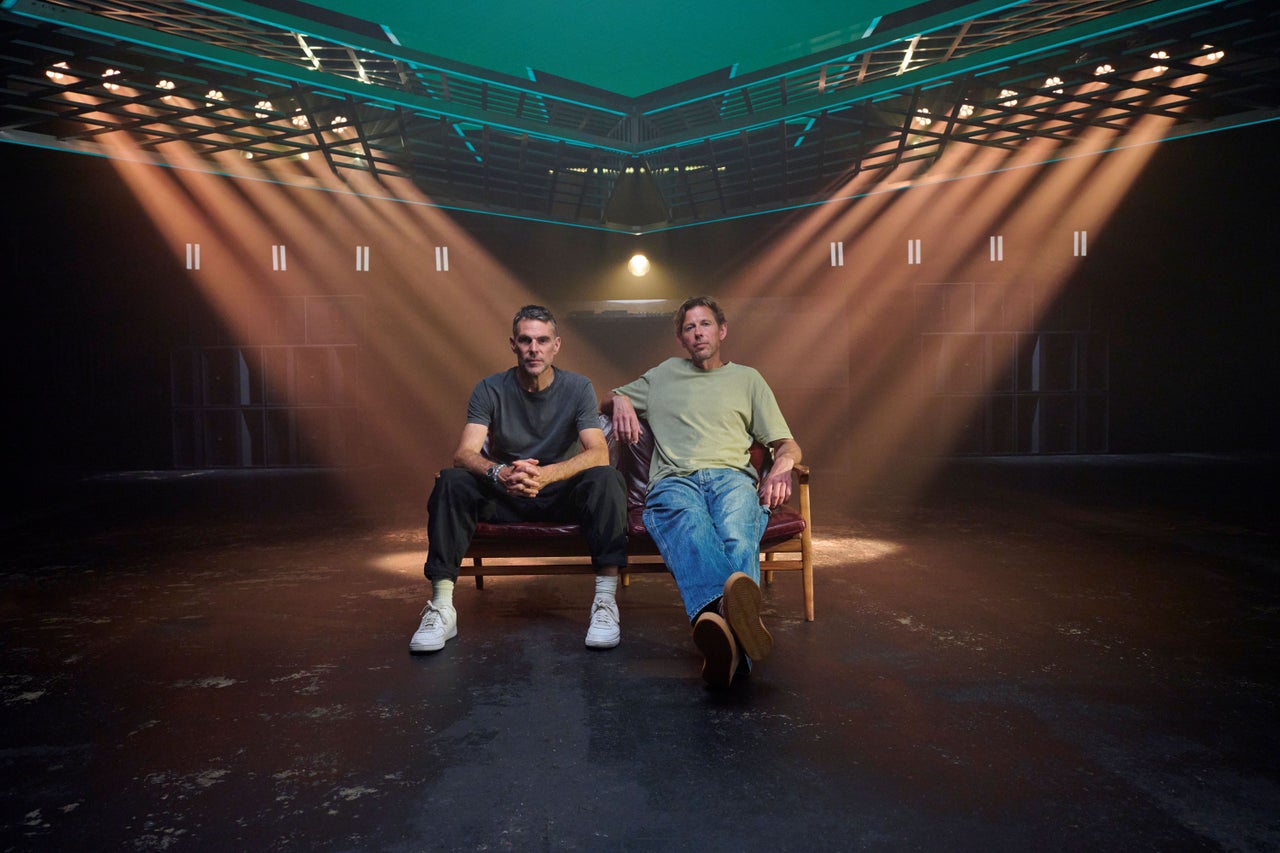
Groove Armada are shining a light on hearing loss (Stewart Williams/PA)
Despite maintaining such a packed performance schedule, both men pursue secondary careers as well. Cato owns a farm in France and leases a National Trust farm in Oxfordshire using regenerative practices, and co-founded Wildfarmed, a sustainable food and farming venture.
"It’s very, very full on," he says. "The nub of it is that we farm in a way which can make us far more resilient to droughts and floods, and that will massively help nature recovery."
Focusing on wheat, oats and barley crops, Cato remarks: "I’ve definitely got a pretty endless supply of excellent bread, and I’ve got a little veg patch in the garden of the farm – although it’s getting a bit neglected. When you combine our gig and harvest schedule with drought, it gets a little bit tricky to keep those leaves going."
Findlay has similarly discovered that his own secondary career has taken a backseat because Groove Armada remains so in demand. Following a prolonged period of depression around 2010, he underwent cognitive behavioural therapy (CBT), which proved so transformative he decided to train as a qualified therapist himself.
"Probably for a lot of it [the depression] I didn’t even know that’s what I was experiencing because I don’t think we were having the conversations openly around mental health at that time that we are, thankfully, now."
He worked as a counsellor within the NHS and later at King’s College London, but recently decided to leave, explaining: "I partly trained because I thought all these gigs were going to come to an end and I thought I needed a side hustle, but the gigs have been better than ever and people keep coming. So I’m going to carry on counselling but in a voluntary capacity.
"It’s quite hard when you’re trying to combine that with making tunes and gigs. I just never felt like I had any downtime. But I’ve loved doing it – it’s an amazing thing to share experiences with people and help them make important changes in their life."
Alongside his passion for therapy work, Findlay notes that the training offered personal benefits as well, explaining: "Now I occasionally get moments where I don’t feel great, but I’m able to self-correct and find ways of thinking and ways of behaving that are really helpful."
For a chance of getting free tickets to Groove Armada’s set at London’s Phonox on October 15, take the over-50s online hearing screener and get your name on The Testlist by September 13.
Source: “AOL Entertainment”
